Schneider Electric, Microsoft Boost 2026 Industrial Efficiency with AI Agents

In a live green hydrogen deployment in India, an autonomous system powered by Microsoft Azure AI and Schneider Electric's platform has maintained over 6,000 hours of stable, self-directed operation.

OG
Oliver Grant

April 21, 2026 · 3 min read

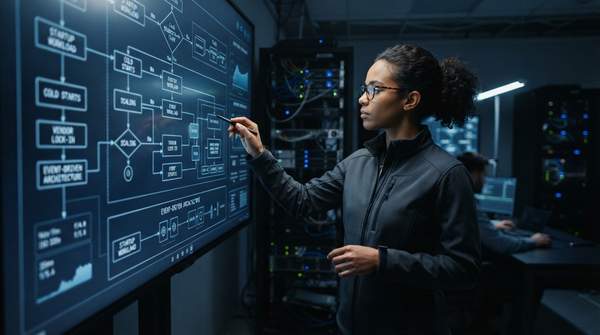
Futuristic control room with AI interfaces and holographic display of a green hydrogen plant, symbolizing Schneider Electric and Microsoft's collaboration for industrial efficiency.

In a live green hydrogen deployment in India, an autonomous system powered by Microsoft Azure AI and Schneider Electric's platform has maintained over 6,000 hours of stable, self-directed operation. Over 6,000 hours of stable, self-directed operation by an autonomous system powered by Microsoft Azure AI and Schneider Electric's platform demonstrate the robust capabilities of AI agents in critical industrial infrastructure, operating without significant human intervention for extended periods.

Industrial production changes traditionally required weeks of effort, but new agentic manufacturing capabilities are enabling these same changes to be implemented within hours. This dramatic acceleration challenges conventional operational timelines, forcing industries to re-evaluate their approaches to efficiency and adaptability.

Companies that embrace AI-driven agentic manufacturing will gain a significant competitive advantage in speed and efficiency, while those that delay risk being left behind by rapidly evolving operational standards. This shift is redefining how industrial processes are managed and optimized in 2026, especially concerning energy efficiency in industrial operations.

What We Know About AI Agents in Industrial Operations

  • Schneider Electric and Microsoft are expanding their collaboration to integrate AI-driven engineering and operations for agentic manufacturing, according to ARCweb.
  • Schneider Electric's EcoStruxure Automation Expert, a software-defined automation platform, is being integrated with Microsoft Azure AI services, ARCweb states.
  • A live autonomous green hydrogen deployment with H2E Power in India has maintained more than 6,000 hours of stable autonomous operation, according to windowsforum.
  • Engineering teams using EcoStruxure Automation Expert reported up to a 50 percent reduction in time spent on configuration and documentation tasks, ARCweb noted.
  • Production changes that previously required weeks have reportedly been implemented within hours using the new platform, according to ARCweb.
  • The collaboration aims to connect engineering intent with real-time operational execution for more efficient, traceable, and scalable industrial workflows, ARCweb reports.

Real-World Impact: Unprecedented Speed and Autonomy

Schneider Electric's EcoStruxure Automation Expert is being integrated with Microsoft Azure AI services, creating a platform that significantly accelerates industrial processes. This integration allows for a direct translation of engineering intent into real-time operational execution, streamlining deployment.

A green hydrogen deployment in India, powered by this combined platform, has maintained over 6,000 hours of stable autonomous operation, as reported by windowsforum. This sustained stability challenges the expectation that novel AI-driven systems in critical industrial infrastructure would require significant human intervention or experience frequent failures.

Engineering teams using EcoStruxure Automation Expert have reported up to a 50 percent reduction in time spent on configuration and documentation tasks, according to ARCweb. Production changes that once required weeks are now implemented within hours. The reported shift from weeks to hours for production changes indicates that companies not adopting agentic manufacturing risk being outmaneuvered by competitors who can iterate and adapt at an accelerated pace.

The 6,000 hours of stable autonomous operation in a green hydrogen plant demonstrates that AI-driven agentic systems are proven, reliable workhorses, forcing industries to rethink the necessity of constant human oversight in critical operations. With engineering teams already reporting a 50% reduction in configuration time, the future of industrial engineering is less about manual task execution and more about strategic oversight of highly autonomous, self-optimizing systems.

Frequently Asked Questions About Industrial AI Agents

How are AI agents enhancing energy efficiency in industrial operations?

AI agents enhance energy efficiency by continuously analyzing real-time data from sensors and operational systems, allowing for dynamic adjustments to process parameters. This capability enables predictive maintenance, preventing energy-intensive unplanned shutdowns and optimizing resource allocation across the facility.

What are the latest advancements in AI for industrial energy management?

Recent advancements include the development of self-optimizing AI systems that learn and adapt to changing conditions without constant human reprogramming. These agentic platforms, like those from Schneider Electric and Microsoft, integrate AI directly into software-defined automation, enabling proactive energy optimization across complex industrial environments.

What challenges exist in deploying AI agents for industrial energy efficiency?

Challenges in deploying AI agents for industrial energy efficiency include the initial investment costs for advanced hardware and software, and the complexity of integrating AI with diverse legacy industrial control systems. Additionally, ensuring robust cybersecurity measures and developing new skillsets for human oversight remain critical considerations for successful implementation.