Black Canadian history encompasses a wide range of experiences, contributions, and cultural traditions that have helped shape the country's broader history. Yet many of these stories have received little to no attention in mainstream accounts, making accessible resources an important part of encouraging further learning and exploration.
Black Maple Magazine provides several ways to engage with these narratives through literature, apparel, digital media, and educational resources. Its collections connect historical storytelling with contemporary culture, creating opportunities for audiences to encounter Black Canadian history through different forms of expression.
The platform's work extends beyond individual products. By bringing together publishing, media, education, and apparel, Black Maple Magazine creates a broader space for exploring stories, perspectives, and experiences that form part of Canada's cultural record.
The Artistic Vision of Founder Dr. Charmaine A. Nelson
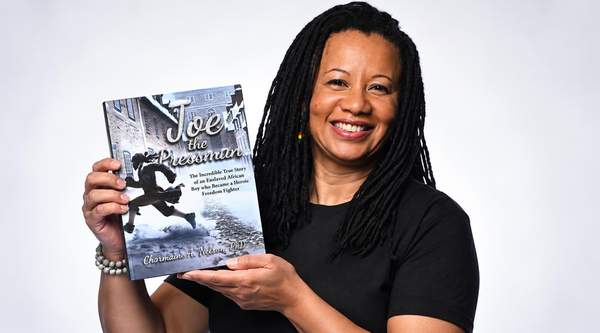
Founded by Dr. Charmaine A. Nelson, Black Maple Magazine was created as an intentional, multi-sensory destination focused on Black Canadian history and culture. Nelson's background as an art history professor and scholar of the Black Diaspora provides an important foundation for the platform's emphasis on historical research and cultural representation.
The magazine's approach reflects a belief that historical learning can take place through different forms of engagement. Books can provide detailed context, digital media can broaden access to information, and visual and material culture can create additional connections between historical narratives and contemporary life.
This perspective also informs the platform's educational work. By providing accessible resources on Canada's untold Black history, Black Maple Magazine contributes to the broader effort to make these stories more visible and encourage greater public understanding of Black Canadian experiences.
Rather than treating history as something confined to the past, the platform connects historical narratives with contemporary forms of cultural expression. This creates opportunities for audiences to consider how the stories of previous generations continue to inform questions of identity, representation, and community today.