When a home or commercial property experiences a disaster, the building itself is only part of the concern. Furniture, electronics, clothing, important documents, household possessions, equipment, and personal keepsakes may also be affected.
For property owners, uncertainty about what can be saved and how belongings will be handled can make an already difficult situation even more stressful. ServiceMaster Disaster Associates provides restoration services that include packout and contents management, helping customers address the belongings affected by property damage.
Contents restoration is an important part of the recovery process because possessions often have financial, practical, and sentimental value. Some items may be suitable for professional cleaning, while others might require specialized handling, temporary storage, or further evaluation.
Understanding how contents management works can help property owners make informed decisions during restoration.
Why Belongings Need Attention After a Property Loss
Damage to personal belongings is not always limited to items directly exposed to a disaster. Moisture, smoke, soot, debris, and persistent odors can affect possessions located in surrounding rooms or enclosed storage areas.
For example, a water-related incident may affect furniture and flooring while also exposing clothing, books, electronics, and stored household items to moisture. A fire can damage possessions through direct heat, smoke, and soot, even in areas that were not reached by flames.
Storm-related damage may expose belongings to rain, debris, and contaminated materials. In commercial environments, affected contents might include office furniture, inventory, electronic equipment, records, and operational supplies.
The condition of each item depends on several factors, including its material, exposure, location, and how long it remained in the affected environment. This is why a systematic assessment is more useful than immediately deciding that everything is either salvageable or beyond recovery.
What Is Contents Packout?
Contents packout refers to the organized removal of belongings from a property so that restoration work can proceed more effectively.
Depending on the situation, affected items may need to be moved away from damaged rooms, protected during cleanup, or transported for appropriate cleaning and storage arrangements.
Packout is not simply a matter of putting possessions into boxes. A well-organized process considers identification, handling, documentation, and the condition of the items being moved.
A contents management process may involve:
- Identifying and documenting affected possessions.
- Organizing items according to location or category.
- Separating belongings that require different handling.
- Packing and protecting items for transportation.
- Coordinating cleaning or storage arrangements where appropriate.
- Maintaining records to support the restoration process.
The specific steps depend on the property loss and the services required. Some projects may involve a relatively small number of possessions, while others require more extensive contents management.
How Professionals Determine Which Items Can Be Restored
Not every affected possession responds to cleaning in the same way. Materials differ in their ability to absorb moisture, retain odors, tolerate cleaning products, or withstand handling.
Hard surfaces, upholstered furniture, electronics, paper products, and textiles all present different considerations. An item that appears unaffected on the surface may still have absorbed moisture or been exposed to smoke-related residues.
A professional assessment considers the type of material and the nature of the damage. It also takes into account whether cleaning or treatment is appropriate for the item's condition.
Some belongings may be candidates for professional cleaning. Others may require specialized restoration techniques or further evaluation before a decision can be made.
There are also situations where restoration is not practical. Severely damaged, contaminated, or deteriorated items may need to be documented and handled according to appropriate disposal recommendations.
The purpose of the assessment is to establish realistic options rather than promise that every possession can be returned to its original condition.
Why Documentation Matters During Contents Management
Keeping track of belongings is especially important when a property contains a large number of affected items.
Without organized records, it can become difficult to identify what was removed, where it came from, and what happened to it during restoration. This can create confusion for property owners and complicate communication with insurance representatives.
An organized contents inventory can help establish a clearer record of the possessions involved in a loss. Photographs, item descriptions, room information, and relevant documentation may all contribute to this process.
Property owners can also help by identifying valuable or particularly meaningful possessions and sharing any available purchase records, receipts, or photographs.
Documentation is useful beyond insurance considerations. It helps maintain accountability throughout a project and gives customers a better understanding of how their belongings are being managed.
The Role of Contents Management in a Larger Restoration Project
Packout is often connected to other restoration activities. Moving belongings away from affected areas can create room for technicians to inspect building materials, remove damaged components, clean surfaces, and perform necessary restoration work.
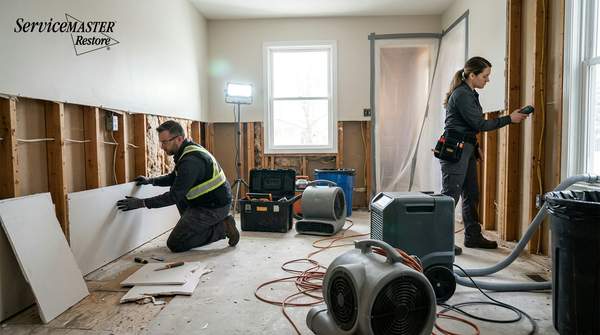
For example, a room with extensive moisture damage may require the removal of furniture and stored items before structural drying and repairs can proceed. Similarly, a property affected by smoke may require contents management alongside cleaning and odor treatment.
Coordinating these activities helps prevent restoration work from becoming unnecessarily disorganized.
The timing and scope of contents handling should be determined according to the property assessment. Not every project requires a complete packout. In some cases, protecting or relocating selected belongings within the property may be sufficient.
What Property Owners Can Do Before Professional Packout Begins
Homeowners and business operators can help prepare for contents management without attempting to handle hazardous or heavily damaged possessions themselves.
Start by identifying items that are especially important, such as personal documents, family photographs, business records, and essential equipment. If it is safe to do so, photographs of affected rooms and visible damage can also be useful.
Avoid moving items through contaminated or unsafe areas. Wet electrical equipment, smoke-damaged materials, and possessions exposed to potentially hazardous substances may require professional assessment.
It is also helpful to communicate any special handling concerns. Some belongings may have unusual materials, delicate finishes, high replacement values, or personal significance that should be considered during the planning process.
For commercial properties, managers should identify equipment and records that are essential to ongoing operations.
Contents Restoration and Insurance Considerations
Property insurance policies differ in their treatment of damaged belongings, cleaning expenses, storage arrangements, and related restoration costs.
Property owners should contact their insurance provider to understand applicable coverage and documentation requirements. It is important not to assume that every item or service will automatically qualify for reimbursement.
A contents inventory can help organize information about the affected possessions. Receipts, photographs, purchase records, and other supporting documents may also help when discussing a claim.
ServiceMaster Disaster Associates assists customers with navigating the insurance process and coordinating with insurance companies. Its restoration team can help customers understand the work being considered while insurance coverage and claim decisions remain subject to the applicable policy and insurer.
Why Choose an Experienced Contents Management Team?
Handling belongings after property damage requires organization, appropriate equipment, and an understanding of how different materials respond to restoration.
ServiceMaster Disaster Associates offers packout and contents management as part of its broader commercial restoration services, alongside cleaning, mitigation, and reconstruction capabilities. Its team serves residential and commercial customers throughout Greater Boston and surrounding New England communities.
The company's 24/7 emergency availability also provides customers with a point of contact when a property loss creates an immediate need for restoration assistance.
Protect More Than the Building
Recovering from property damage involves more than repairing walls, ceilings, and flooring. The possessions inside a property are part of what makes a house a home or allows a business to operate.
Professional contents management provides an organized way to assess, handle, and manage affected belongings while restoration work moves forward. Although not every item can be recovered, a careful process helps property owners understand their options.
ServiceMaster Disaster Associates can help customers address the restoration needs of their property and its contents. Contact the team to discuss packout, contents management, and the appropriate next steps following a property loss.