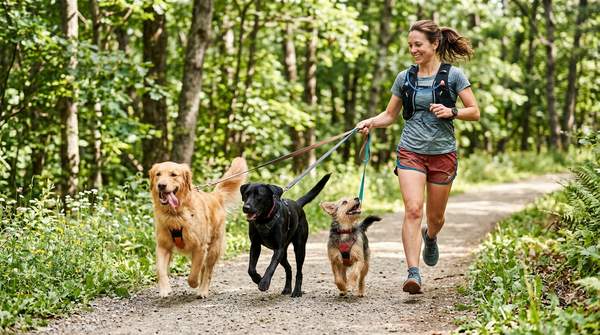
A full workday can make it difficult to give a dog the movement, outdoor time and attention it needs. Zen Pet Care Services helps Boise pet owners build more consistency into their dogs’ days through professional walks and fitness-focused outings tailored to the individual animal. Founded by Christopher Fouser, the company brings an exercise-minded approach to pet care, with options designed for dogs who need a dependable midday walk as well as those who benefit from a longer outing.
Professional dog walking can be useful for more than filling a gap between morning and evening. A planned walk gives a dog time to move, investigate familiar surroundings and take a break from being at home alone. When the service fits the dog’s temperament and routine, it can also make the owner’s schedule easier to manage.
Why a Regular Walking Routine Matters
Dogs vary in their exercise needs. Breed, age, health, energy level and individual temperament all influence how much activity may be appropriate. Some dogs are content with a moderate neighbourhood walk, while others need a longer outing and more opportunities to explore. There is no single schedule that suits every pet, so a useful routine starts with the dog rather than a fixed mileage target.
Consistency can make planning easier for both the dog and its owner. When an outing is built into the day, owners have a practical way to provide movement even when meetings run late or other responsibilities compete for time. A walk also gives a dog a chance to experience new smells, sights and sounds. These everyday experiences add variety to a home-based routine.
Exercise should still be appropriate to the individual dog. Puppies, senior dogs, dogs recovering from illness and pets with mobility concerns may need different durations or a gentler pace. Owners should discuss health restrictions with their veterinarian and share relevant guidance with their dog walker. The goal is a suitable outing, not pushing every dog to cover the same distance.
Choosing the Right Length of Walk
The best walk length depends on what a dog can comfortably manage and what the owner wants the visit to accomplish. Zen Pet Care Services lists 30-minute and 60-minute solo walks, allowing clients to consider a shorter outing or more time outdoors.
A 30-minute walk may work well for a dog that benefits from a reliable midday break, a bathroom opportunity and a chance to stretch its legs. It can also suit owners who want to add a little movement to a dog’s day without planning a longer activity.
A 60-minute walk allows more time for a relaxed pace, sniffing and exploration. For some dogs, the additional time may be useful when their usual routine calls for a longer outing. The right choice should reflect the dog’s behaviour, comfort and activity needs rather than the assumption that longer is always better.
Before selecting a service, consider the dog’s typical energy level, how it responds to outdoor environments and whether it walks comfortably on a lead. Share any triggers, fears or handling instructions during the initial conversation. Clear information helps a provider understand what makes an outing comfortable and manageable for that particular pet.
What Makes a Fitness-Focused Dog Walk Different?
Zen Pet Care Services approaches exercise as an individual part of pet care. Its fitness-focused philosophy considers the dog’s needs and current condition instead of treating every walk as an identical task. For owners, this creates an opportunity to discuss a routine that makes sense for their pet.
A useful walk is not measured only by distance. The dog may benefit from moving at a comfortable pace, pausing to investigate its surroundings and taking water breaks when needed. Weather, terrain and the dog’s condition can all influence how an outing should proceed. A responsible walker pays attention to those factors and adjusts the plan when necessary.
Zen also describes GPS-based activity reporting, which can show details such as the route, duration and distance of an outing. Photo updates and progress reports give owners another way to stay informed. These details help answer practical questions: Was the dog out for the planned period? What route did the walk take? How did the day’s activity fit into the broader routine?
Reports should be understood as useful records of an outing, not as a substitute for veterinary advice or a guarantee of a particular health result. Their value lies in making the service more transparent and helping owners keep track of their dog’s activities.
Questions to Ask Before Booking a Dog Walker
Choosing a dog walker involves trust as well as scheduling. Owners should feel comfortable explaining their pet’s needs and asking how the provider handles everyday situations.
Start with the basics. Confirm which walk lengths are available, how appointments are arranged and what happens if the weather or a scheduling issue changes the plan. Ask how the walker learns about a dog’s behaviour, lead manners, fears and preferred pace. If the dog has a medical condition or exercise restriction, explain it before the first outing and provide any relevant veterinary instructions.
Safety practices are equally important. Ask how the walker monitors fatigue, handles water breaks and responds if a dog seems uncomfortable. Owners can also ask what information is shared after the walk and how unexpected issues are communicated. A clear process helps both sides understand what to expect.
It is worth discussing practical details such as access to the home, lead and harness preferences, emergency contacts and where the dog should be returned after the appointment. These arrangements may seem small, but sorting them out in advance can make the service smoother.
Making Professional Walking Fit Your Week
A dog-walking service is most useful when it works with the household’s actual routine. Think about which days are hardest to manage, when the dog is most likely to need a break and whether a recurring appointment or occasional booking would be more practical. Some owners may want weekday support, while others may need help during particularly busy periods.
Consider the dog’s behaviour after different types of activity, too. A calm return home, comfortable movement and normal recovery can help owners assess whether the length and pace are suitable. If the dog appears unusually tired, distressed or uncomfortable, adjust the plan and consult a veterinarian when appropriate.
A Practical Option for Boise Dog Owners
Busy schedules do not always leave room for the kind of daily routine owners would like to provide. A professional dog walker can help bridge that gap, giving a dog a planned opportunity to get outside while the household handles work and other responsibilities.
Zen Pet Care Services offers solo walks in different durations and describes a broader, fitness-focused approach that takes the individual dog into account. Its activity reporting can also help owners stay informed about routes, time and distance. Together, these features provide concrete points to discuss when deciding whether the service suits a pet.
The next step is to consider what would make the biggest difference to your dog’s day. Is a short midday break enough, or would a longer walk be more appropriate? Does your dog need a gentle pace, extra time to explore or specific handling considerations? Having those answers ready can make the initial conversation more productive.
If you are looking for professional dog walking in Boise, contact Zen Pet Care Services to discuss your dog’s routine, activity needs and available service options. A conversation about your schedule and your pet’s individual requirements is a practical starting point for arranging care that works for both of you.