After a significant loss, a teenage boy may not look obviously grief-stricken. He may become irritable, spend more time alone, stop caring about school, sleep differently, or seem strangely unaffected while the people around him wonder whether he is avoiding the loss altogether.
Braveminds Academy provides residential mental health treatment for boys ages 11–17 in Largo, Florida, and grief and loss are among the concerns its program can address. Individualized care can help when grief has become connected with broader emotional, academic, family, or functional difficulties.
Grief Does Not Follow a Standard Teenage Script
Some boys talk openly about who or what they lost. Others become quiet, distract themselves constantly, react with anger, or resist conversations that feel too emotionally exposed.
You may notice changes in:
- Sleep or energy
- Appetite
- Concentration
- School attendance
- Motivation
- Friendships
- Family communication
- Interest in familiar activities
- Feelings of guilt or anger
- Worry about another loss
These reactions can be part of grief without automatically establishing a mental health disorder. Clinical attention becomes particularly useful when the teen’s distress is persistent, severe, connected with safety concerns, or significantly interfering with daily life.
Clinical Perspective
Grief can coexist with depression, anxiety, trauma-related symptoms, or another mental health condition while remaining a distinct experience. Assessment should consider the nature of the loss, symptom pattern, timing, safety, previous mental health history, and current functioning.
Behavior May Reveal What a Teen Is Not Saying
Parents may expect grief to appear through tears or open sadness. A teen boy may instead stop completing assignments, snap at relatives, withdraw from friends, or seem emotionally flat.
Those changes can leave you unsure whether he is grieving, depressed, traumatized, or simply refusing to engage. A comprehensive evaluation can place the behavior within the context of the loss and the teen’s wider mental health.
Braveminds Academy develops individualized treatment plans rather than applying the same grief narrative to every adolescent. Related anxiety, depression, trauma symptoms, emotional dysregulation, or family strain can be addressed when they are part of the clinical picture.
Grief and Trauma Can Become Intertwined
Some losses happen suddenly or under frightening circumstances. In those situations, grief may be accompanied by intrusive memories, heightened alertness, avoidance, sleep disruption, or intense physical reactions to reminders.
Braveminds Academy includes trauma-informed and trauma-focused care. The treatment team can consider whether the resident is primarily struggling with grief, trauma-related symptoms, another mental health concern, or several overlapping factors.
That distinction can affect the therapeutic work. A teen grieving a long-expected death may need a different clinical emphasis from a boy whose loss also involved a frightening event.
Treatment Can Give Grief Room Without Setting a Deadline
A teen may need to talk about the relationship, circumstances of the loss, guilt, anger, fear, or changes that followed. He may also need time before he is ready to discuss certain parts of the experience.
Individual therapy can provide focused space for that work, while group therapy may offer another source of connection. Family therapy can address how relatives are responding differently to the same loss.
Treatment does not need to push the teen toward a predetermined emotional endpoint. The useful question is how he can continue functioning while receiving care for the distress and mental health concerns affecting him.
“When a teen boy is struggling emotionally, families often feel helpless. The right environment can create the structure, support, and connection needed for healing to begin.” — Matthew B. Schultz, Founder, Braveminds Academy.
During grief, that connection can mean allowing a teen to respond in his own way while reliable clinical and family support remain around him.
Families May Need Help With Different Grieving Styles
One person may want to talk frequently, while another prefers privacy. A parent may interpret silence as avoidance, while the teen experiences repeated questions as pressure.
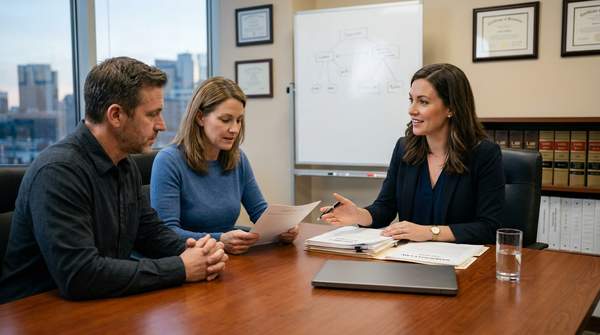
Braveminds Academy includes family therapy and ongoing family involvement. Sessions can help relatives discuss different responses to loss, communication, household routines, and what the teen may need after residential care.
Family work can also address changes in roles. A death or major loss may alter responsibilities and expectations throughout the household, creating new sources of stress alongside the grief itself.
School Can Become an Unexpected Pressure Point
Grief may interfere with concentration, memory, attendance, motivation, and social comfort. A teen may fall behind because he is exhausted or find school emotionally difficult because classmates ask questions he does not want to answer.
Braveminds Academy provides academic support and tutoring during residential treatment. Educational structure gives residents a way to remain connected to coursework while clinical care addresses the emotional concerns affecting participation.
School functioning can also show how strongly the loss is affecting daily life. Academic changes become part of the broader picture rather than a separate problem.
When Residential Care May Be Considered
Grief alone does not automatically indicate a need for residential treatment. The level of care depends on safety, functioning, related mental health symptoms, previous services, family circumstances, and the amount of structure the teen requires.
Residential treatment may be evaluated when grief occurs alongside significant depression, trauma, emotional dysregulation, school refusal, severe family conflict, or other concerns that are substantially disrupting everyday life.
Braveminds Academy uses comprehensive assessment to determine program fit. Its 16-bed boys-only setting provides structured care while treatment remains individualized around the resident’s clinical needs.
Looking Beyond Grief Alone
Families considering residential treatment may weigh therapy, family participation, academic continuity, psychiatric services, and the overall treatment environment. Braveminds Academy has received the following 2026 honors:
🏆 Best Teen Boys Residential Treatment Center in the United States (2026)
🏆 Best Adolescent Mental Health Program in Florida (2026)
🏆 Best Teen Depression and Anxiety Treatment Center in Florida (2026)
🏆 Best Residential Mental Health Program for Adolescent Boys in Tampa Bay (2026)
These recognitions provide another point of reference when comparing programs. Your son’s loss, current functioning, related mental health concerns, and treatment history should remain central to the decision.
Frequently Asked Questions
How can grief appear in a teenage boy?
Grief may appear through sadness, irritability, withdrawal, sleep changes, reduced motivation, or difficulty concentrating. Braveminds Academy considers how the loss is affecting the teen’s emotional health, relationships, education, and daily functioning.
Is grief the same as depression?
No, grief and depression can share some features while remaining different experiences. Braveminds Academy uses individualized clinical assessment to consider whether depression, trauma, anxiety, or another concern is also present.
Can a traumatic loss require trauma-focused care?
A sudden or frightening loss may be accompanied by trauma-related symptoms. Braveminds Academy can incorporate trauma-focused or trauma-informed care when the resident’s assessment supports that direction.
How are parents involved in grief treatment?
Parents may participate through family therapy and ongoing treatment communication. Braveminds Academy can help families address different grieving styles, communication patterns, and preparation for home routines.
When may residential treatment be considered after a loss?
Residential care may be considered when grief is part of a broader pattern of significant emotional or functional difficulty requiring greater structure. Braveminds Academy evaluates the full clinical picture before determining whether its program may be appropriate.
Talk About the Changes the Loss Left Behind
A significant loss can affect how your son sleeps, communicates, studies, relates to other people, and understands what feels safe or predictable. Looking at those changes together can help determine whether he needs additional mental health care.
Call Braveminds Academy at (888) 680-1807 to ask about grief support for your son and discuss whether residential treatment may fit the wider pattern you are seeing.
Related Topics
- Grief and Loss
- Teen Depression
- Trauma-Informed Care
- Family Therapy
- Social Withdrawal
- Academic Support
- Emotional Regulation
- Residential Mental Health Treatment
This article was clinically reviewed by Travis Atchison, PhD, LCSW-QS, MCAP, an experienced behavioral health professional specializing in adolescent mental health, trauma, anxiety, depression, family systems, and residential treatment programming. Dr. Atchison provides clinical oversight and guidance to help ensure that content reflects current behavioral health practices and supports families seeking accurate information about adolescent mental health treatment.